

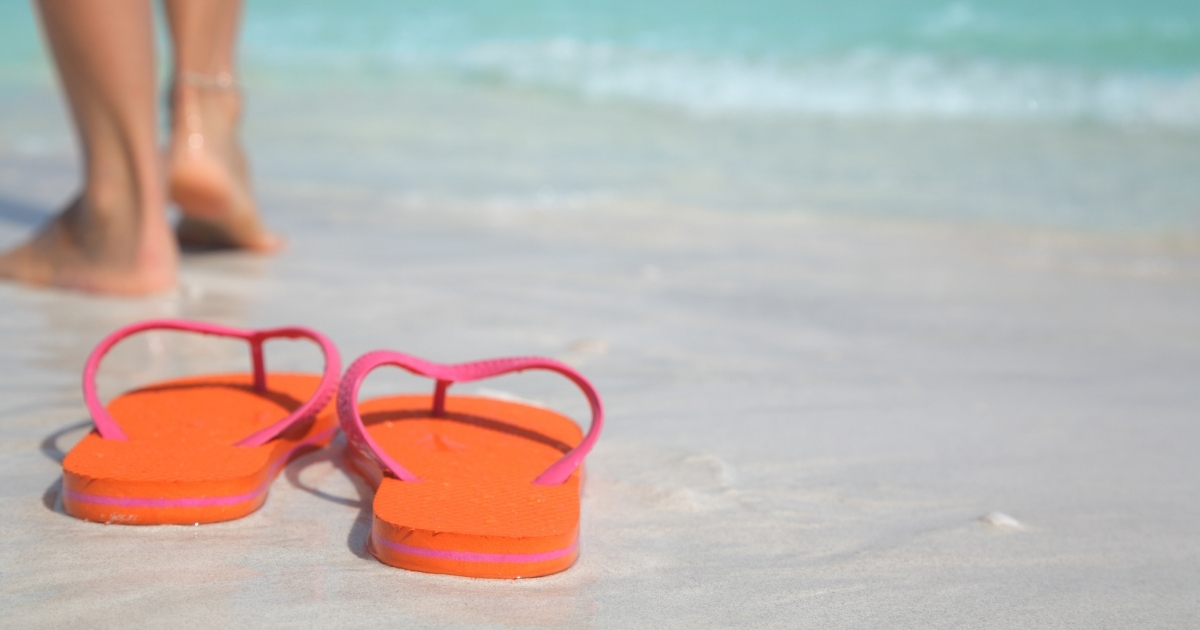
Warm weather often means lighter shoes, like flip-flops and sandals. While they can feel comfortable and breathable, they may not always provide your feet with the support they need. For some people, this can lead to discomfort in the feet, ankles, knees, or even the lower back over time.
If you’ve noticed more pain during the summer months, your footwear may be playing a bigger role than you think. Understanding how shoes affect your body can help you make small changes to improve comfort and movement.
If foot or lower-body pain is affecting your daily routine, connect with National Spine & Pain Centers via the online contact form or call . If you are experiencing a medical emergency, call 911 immediately.
Why Flip-Flops and Sandals Can Contribute to Pain
Flip-flops and many flat sandals are designed for convenience, not support. They often lack cushioning, arch support, and stability, which can place extra stress on your feet.
Common issues include:
- Strain on the arches of your feet
- Increased pressure on heels and toes
- Changes in walking patterns that affect joints
Over time, these small changes can contribute to discomfort in other parts of the body, including the knees, hips, and lower back.
Signs Your Footwear May Be Causing Discomfort
Foot pain doesn’t always start in the feet. Sometimes it shows up gradually in different areas of the body. Paying attention to early signs can help you make adjustments sooner.
You may notice:
- Soreness in the arches or heels after walking
- Achy knees or hips after wearing sandals
- Tired or strained feet by the end of the day
If these symptoms improve when wearing more supportive shoes, your footwear may be a key factor.
What “Supportive Footwear” Really Means
Supportive shoes are designed to help distribute pressure evenly and keep your feet stable. They don’t have to be bulky, but they should help your body move more naturally.
Look for features like:
- Cushioned soles that absorb impact
- Arch support to reduce strain
- Secure straps or backs for stability
- A firm base that doesn’t bend too easily
Even small footwear upgrades can make a noticeable difference in comfort.
How Foot Pain Connects to the Rest of the Body
Your body works as a connected system. When your feet are not properly supported, other areas may compensate, leading to discomfort elsewhere.
For example:
- Poor foot support can affect walking alignment
- Changes in gait can strain knees and hips
- Imbalance may contribute to lower back discomfort
Understanding this connection can help you take a more complete approach to managing pain.
Simple Ways to Reduce Summer Foot Discomfort
You don’t necessarily need to give up sandals completely, but balance is important. Mixing supportive shoes with occasional casual wear can help reduce strain.
Helpful tips include:
- Choose supportive shoes for longer walks or standing periods
- Limit flip-flops to short-term use
- Stretch your feet and calves regularly
- Take breaks to rest your feet during the day
These small habits help support comfort throughout the summer season.
When Foot Pain Needs Professional Attention
Occasional soreness may improve with rest and better footwear. However, ongoing or worsening pain should not be ignored.
It may be helpful to seek guidance if you experience:
- Persistent heel or arch pain
- Pain that spreads to the knees, hips, or back
- Difficulty walking comfortably
A specialist can help identify what’s contributing to your discomfort and explore care options designed to support mobility and function.
Support for Ongoing Pain and Mobility Concerns
Foot pain is not always just a foot issue. It can be part of a larger pattern involving joints, posture, or movement habits. A comprehensive approach to pain management may help address these connections.
To learn more about available care options, explore pain management treatments designed to support movement and daily comfort.
Reach Out Today
If footwear-related pain is affecting your daily life, support is available. The right care approach can help you better understand your symptoms and find ways to move more comfortably.
Connect with National Spine & Pain Centers via the online contact form or call to explore pain relief options in Miami, FL.