

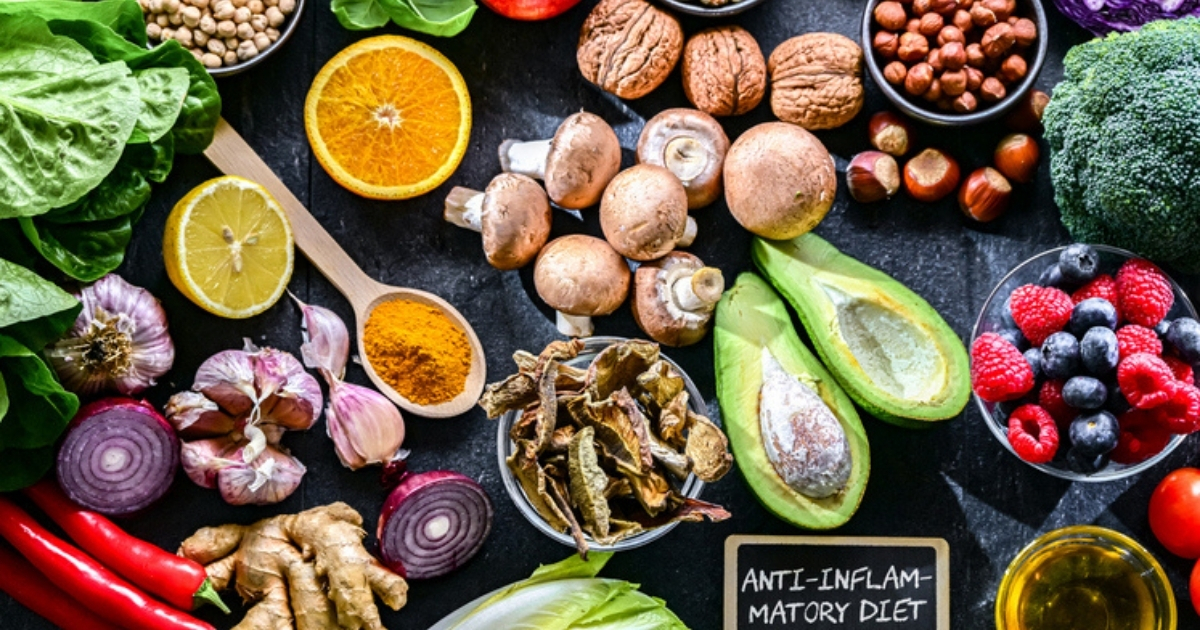
Spring is a great time to refresh daily habits, including the foods you eat. For people managing joint or muscle discomfort, nutrition can support overall wellness. Certain spring foods contain nutrients that may help the body manage inflammation, which is often linked to stiffness and pain.
If joint or muscle discomfort is affecting your quality of life, compassionate support is available. Connect through our online form to explore care options with National Spine & Pain Centers or call .
Understanding Inflammation in Simple Terms
Inflammation is the body’s natural response to stress, injury, or irritation. In the short term, it helps with healing. When inflammation becomes ongoing, it may contribute to joint stiffness, muscle soreness, or reduced mobility.
While food alone does not treat medical conditions, choosing anti-inflammatory foods may help support the body’s natural balance when combined with healthy habits and appropriate care.
Why Spring Foods Are a Smart Choice
Many spring fruits and vegetables are rich in vitamins, minerals, and antioxidants. Antioxidants help protect cells from everyday stress and may support overall joint and muscle health.
Seasonal spring foods often:
- Are fresher and more nutrient-dense
- Contain natural compounds that support inflammation response
- Fit well into lighter, balanced meals
Adding these foods to meals can be a simple way to support daily comfort.
Spring Foods Known for Anti-Inflammatory Benefits
Leafy Greens
Greens like spinach, arugula, and kale are rich in vitamins A, C, and K. These nutrients support overall health and help the body manage normal inflammatory responses.
Easy ways to enjoy them:
- Toss into salads
- Blend into smoothies
- Lightly sauté as a side dish
Berries
Strawberries, blueberries, and raspberries are packed with antioxidants. These compounds help protect tissues and support healthy joints and muscles.
Berries can be added to:
- Yogurt or oatmeal
- Salads
- Simple snacks
Fatty Fish
Fish such as salmon and sardines contain omega-3 fatty acids, which are widely known for supporting joint health.
Simple preparation ideas include:
- Grilling or baking
- Adding to salads
- Pairing with spring vegetables
Fresh Herbs
Herbs like turmeric, ginger, parsley, and basil offer natural flavor along with beneficial plant compounds.
Try herbs by:
- Adding them to soups or sauces
- Mixing into marinades
- Sprinkling fresh herbs over meals
Hydration and Inflammation Support
Spring foods often contain high water content, which supports hydration. Staying hydrated helps joints stay lubricated and muscles function more efficiently.
Water-rich foods include:
- Cucumbers
- Celery
- Citrus fruits
Combining hydration with nutrient-rich foods supports overall musculoskeletal wellness.
Nutrition as Part of a Broader Pain Care Plan
Diet is just one piece of a comprehensive approach to managing joint and muscle discomfort. Many individuals benefit from combining nutrition, movement, and professional evaluation.
At National Spine & Pain Centers, patients can explore a wide range of pain management and orthopedic care options, including non-surgical and interventional approaches. Learn more by exploring our pain management treatment options.
When to Consider Professional Guidance
If discomfort continues despite healthy lifestyle adjustments, it may be time to seek additional support. Understanding the source of pain can help guide appropriate next steps.
To learn more about joint and muscle pain care options, contact National Spine & Pain Centers through our online form or call . Access to a nationwide network of affiliated pain specialists helps patients make informed, confident decisions.